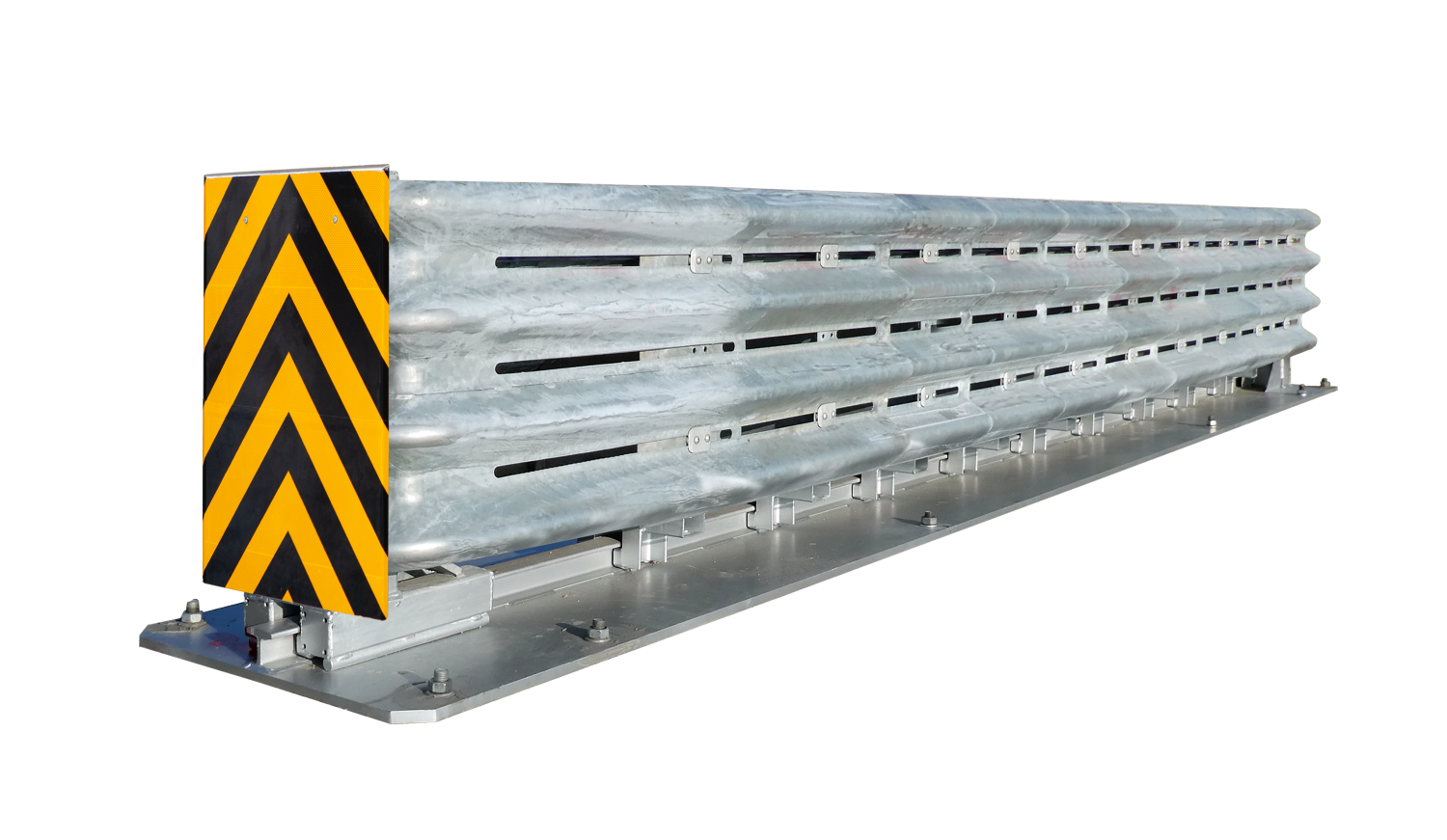
Avatar
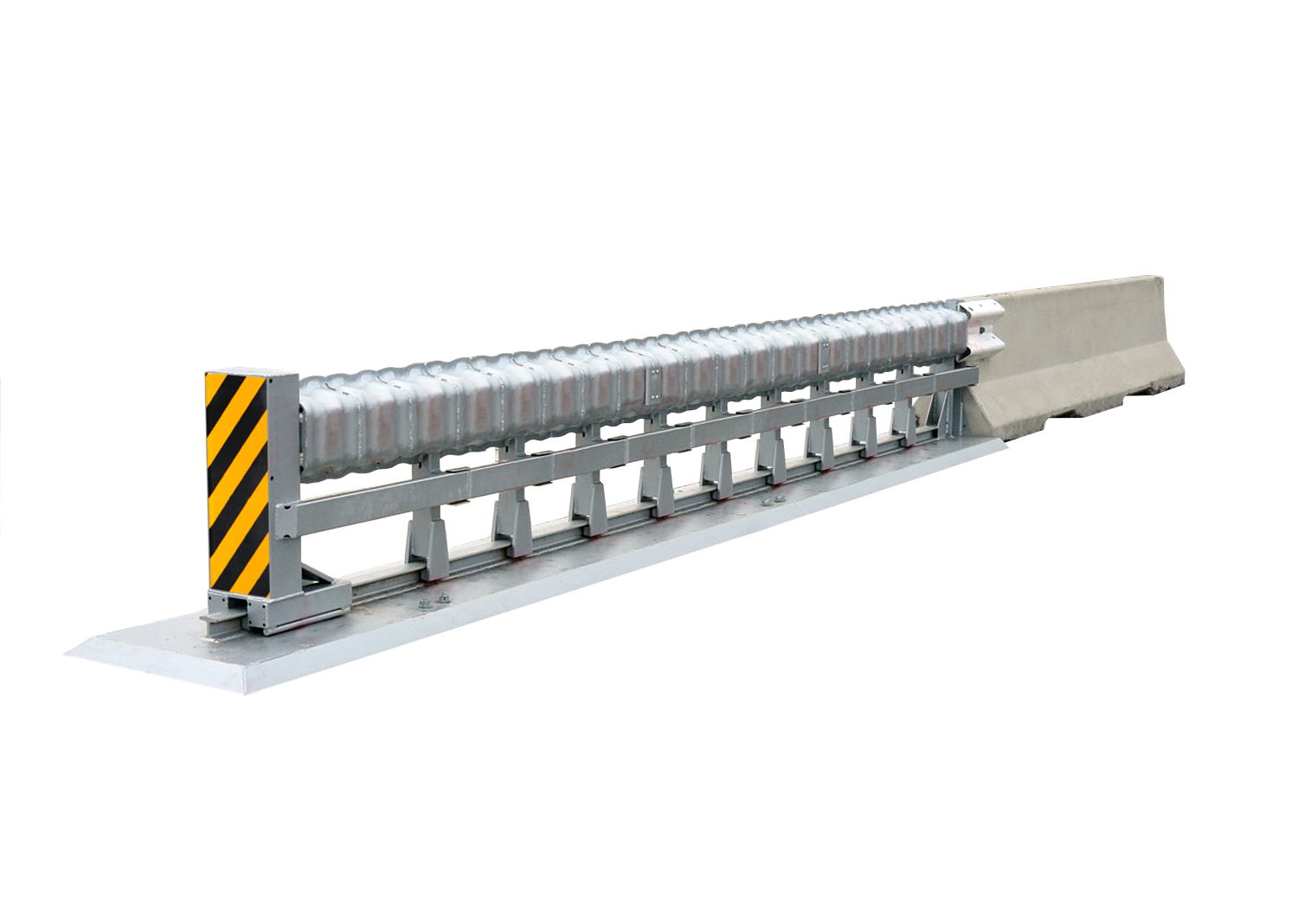
Avatar is a crash cushion with minimal anchoring, designed for use in work zones and special maintenance operations.

Leonidas
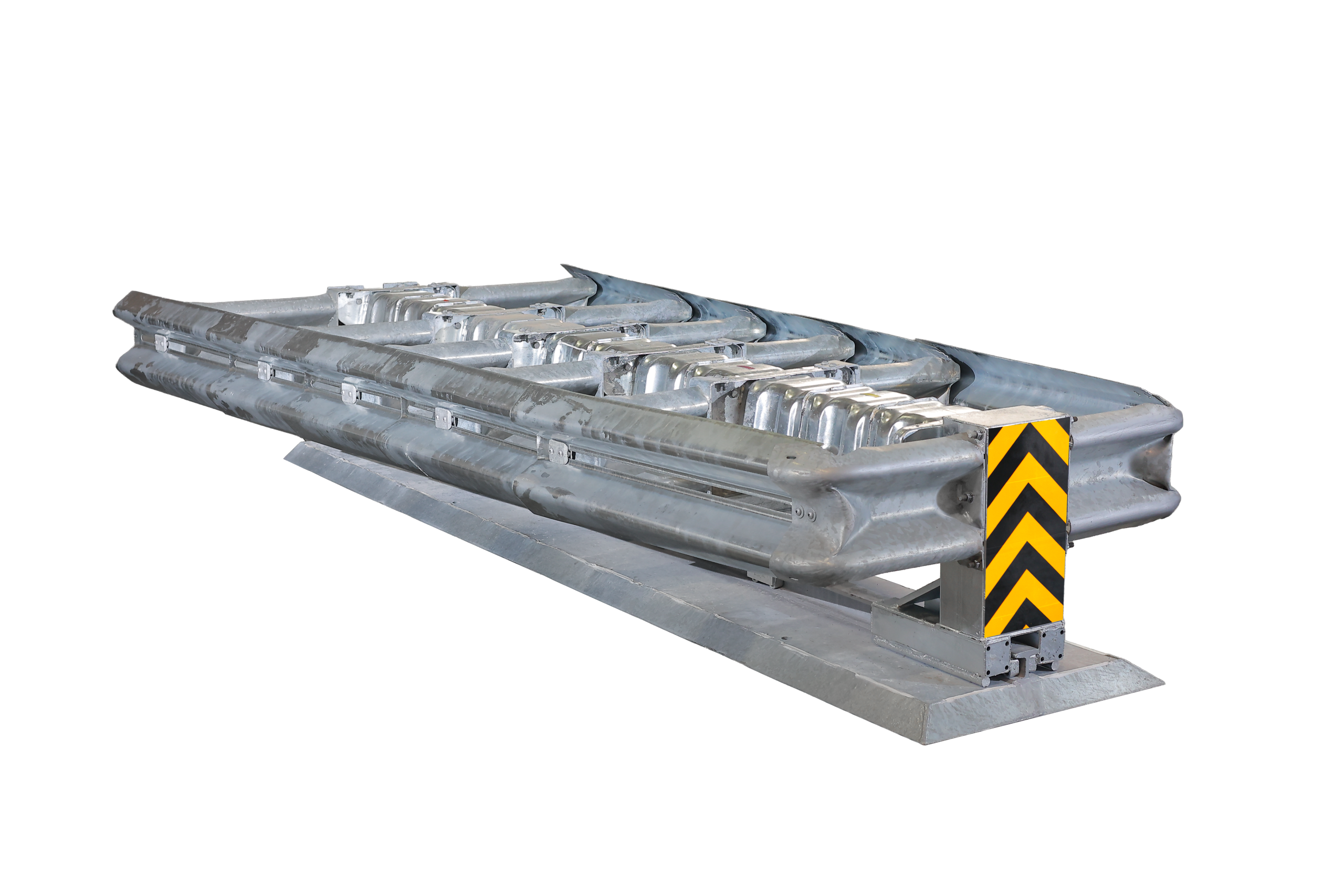
A very compact and highly performant crash cushion system designed for impacts up to 130 km/h. Available in several widths and shapes to shield many obstacles and is totally repairable.

ERMES CC
The safest and most versatile safety device, certified both as a crash cushion and as an energy absorbing end terminal, designed to cover small-sized obstacles such as the beginning of guardrails and concrete barriers.

Urban Area
SMA devices for urban areas are designed to protect specific types of obstacles such as poles, pillars, concrete curbs, traffic dividers, and tunnel entrances.

Taurus
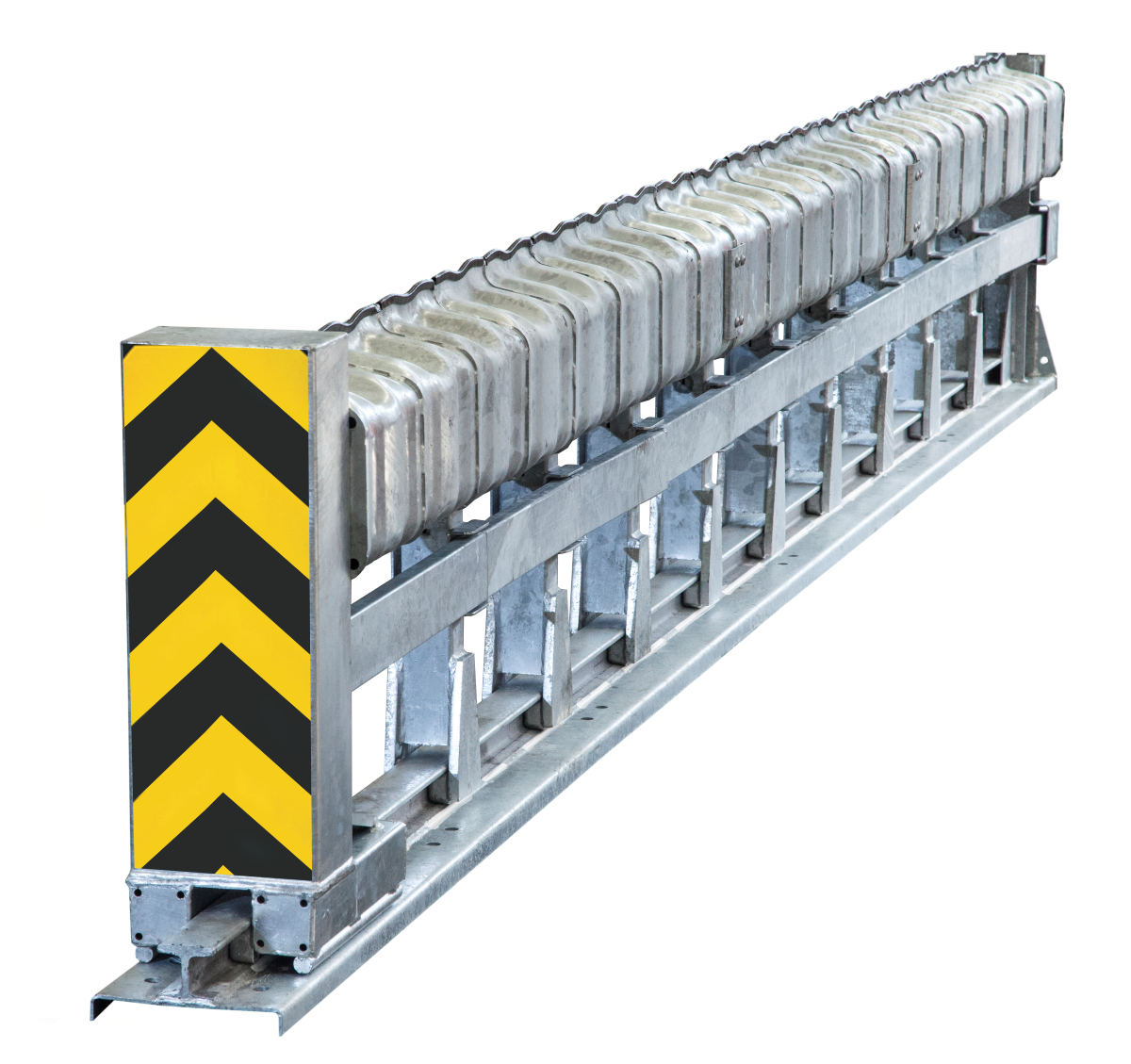
The anchorless crash cushion to protect drivers and workers from accidents in the worksites. Preassembled, easy to handle and install with fast connection to temporary barriers.

Janus
Janus is the crash cushion that can also be used as a device to shield fixed obstacles in both traffic directions. Totally repairable and easy to install with a narrow shape and performance up to 110 kph. The system is provided in two pre-assembled modules that only require anchoring to the ground.

Andromeda
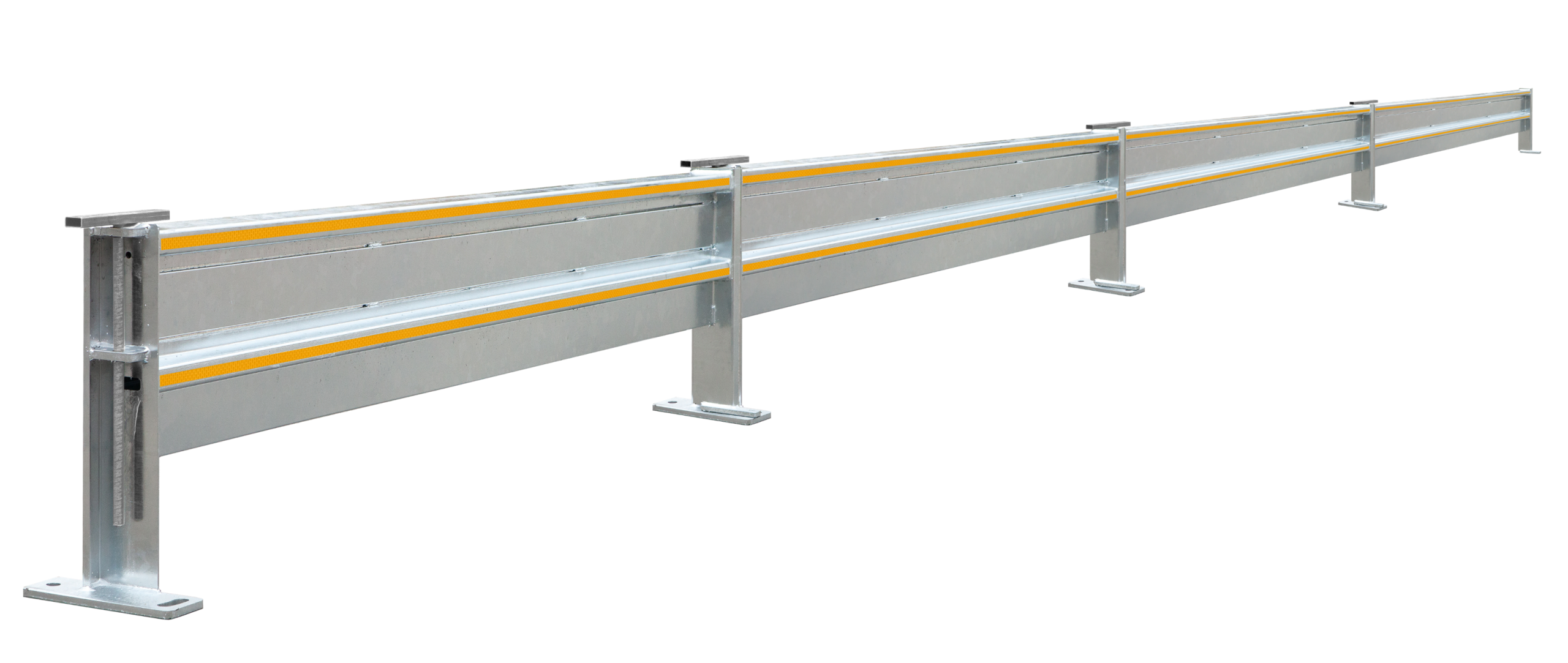
A modular barrier designed to be used in the median and in the verge. High containment level and easy installation process make this product suitable for bridges and motorways and urban roads.

Chronos
CHRONOS is the temporary barrier that redefines efficiency on work zones. The system consists of preassembled modules 3 meters long which are connected to each other through a locking pin. CHRONOS has been tested according to the EN 1317-2:2010 Standard.

Stargate
The Stargate barrier is an innovative, removable gate system designed to ensure safety and optimal traffic management in road infrastructures. Thanks to its compact design and high performance, it represents an effective solution for emergencies, ensuring quick opening in critical situations.

Titanus
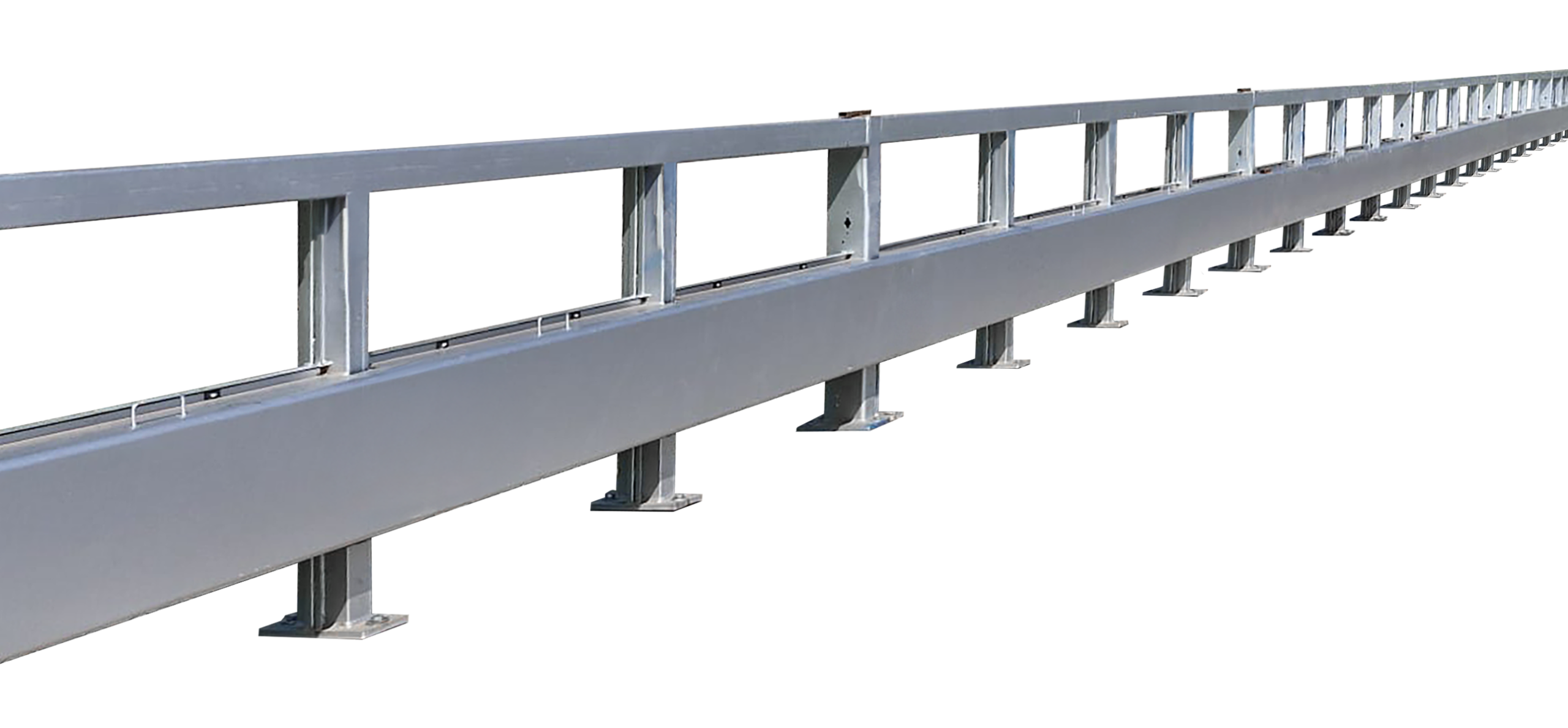
The first barrier gate to contain heavy VEHICLES. Supplied in modules which make the system easy to handle, install and remove. Fast opening and easy connection to many barriers.

Geronimo
Designed to support road managers, the Geronimo monitoring system is a cutting-edge solution aimed at improving road safety through real-time detection and reporting of events via a camera connected to the barrier through a sensor.

Eagle
Designed to help the managers in the ISPE process. The monitoring system with low battery consumption, connection to the network and easy installation to guard the VRS operation.

Taurus MASH
Crash cushion designed for temporary use in roadwork and work zones. The device is delivered pre-assembled for quick and easy installation, with a structure that can be repaired after impact to reduce maintenance costs. It can be connected to all types of concrete and steel barriers, features an efficient and compact design, is non-gating, fully redirective, and operational on both sides thanks to its double-sided design.

Ermes MASH
MASH terminal designed to ensure maximum safety and ease of use. The device is delivered pre-assembled for quick and easy installation. It is a non-gating, fully redirective system tested according to MASH 2016. It can be connected to all types of concrete and steel barriers.

Hercules
The preassembled crash cushion tested with a 2270 kg pick up truck. Totally repairable and easy to anchor on concrete and asphalt. Connectable to the network through the SMA App.

Hercules 12
Redirective crash cushion designed to ensure maximum safety with minimum space requirements. The system is delivered fully assembled for quick installation. It is a non-gating system and integrates connection to a smart monitoring and management system. It is also equipped with a base plate to be anchored to the asphalt with only 12 holes, simplifying and speeding up installation.
Most Popular Searches
Most Popular Product
Product Categories
Most Popular Product
Blog Categories
Most Popular Blog

Bridge rails (sometimes also referred to as bridge parapets) are among the most critical elements of road safety: they must contain heavy vehicles in often limited spaces, minimising lateral deflection while ensuring durability, inspectability and ease of installation.
The choice of material – concrete or steel – directly affects the performance of the rail and its integration into the bridge or viaduct design. Designers, road authorities and construction companies must therefore assess not only the containment level, but also parameters such as working width, overall footprint, self-weight, anchoring methods and ease of installation.
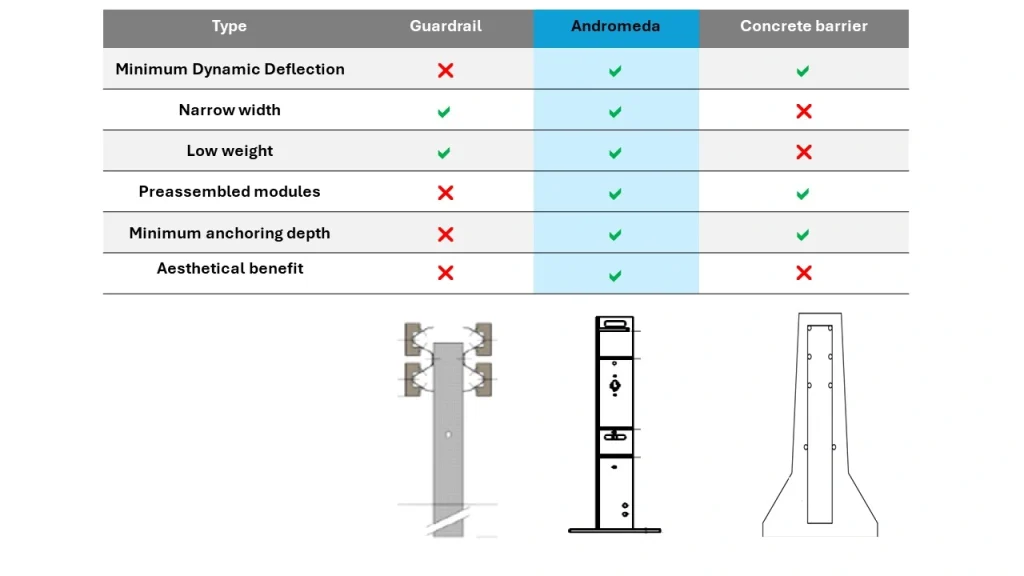
In this context, Andromeda is introduced as a bridge rail and median barrier that combines the steel structure typical of guardrails with the low deflection and modularity typical of concrete barriers, positioning itself as a new-generation hybrid solution.

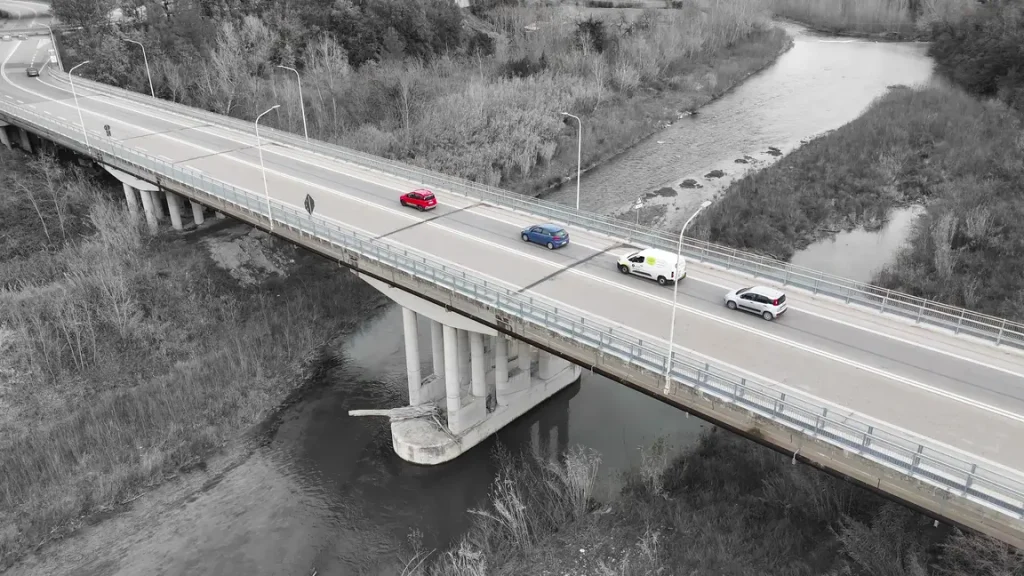
Bridge rails play a fundamental role in the safety of bridge structures. Their main task is to prevent a vehicle from, in the event of loss of control, falling off the bridge or viaduct, with potentially catastrophic consequences for occupants and the areas below. At the same time, these rails must limit crash severity for road users, keeping decelerations within acceptable limits and reducing the risk of serious or fatal injuries.
A further objective is the protection of infrastructure located below the deck – such as railway lines, roads, utilities or waterways – which could be damaged by the direct impact of a vehicle or its components. Finally, bridge rails must ensure that the structure remains functional even after the design impacts, preserving service continuity as far as possible and reducing the need for invasive structural interventions.
To describe and classify the performance of bridge rails, the standard EN 1317-2 specifies a number of key parameters. Among these, the containment level (e.g., H2 or H4b) defines the impact energy the system can safely withstand. The working width (W) and dynamic deflection describe the lateral envelope required by the rail under impact, a particularly critical aspect in the presence of narrow curbs and limited decks. Lastly, vehicle intrusion accounts for the vehicle’s post-impact trajectory and its interaction with surrounding elements.
For further details, see the article: https://www.smaroadsafety.com/en/road-barriers/
The selection of the most suitable bridge rail, therefore, cannot ignore an integrated assessment of several factors: structural constraints of the bridge, curb geometry and dimensions, traffic characteristics (in particular the percentage of heavy vehicles and design speed) and maintenance requirements over the lifecycle of the infrastructure.

The selection of a bridge rail cannot be based solely on the containment level. Designers, road authorities and contractors must jointly consider several technical and operational factors.
First, it is necessary to define the containment level (H2, H4, etc.) based on the road category, design speed, and the percentage of heavy vehicles (see Italian Decree DM 2367, 21.06.2004). Next, the available space on the curb or deck must be checked, taking into account the possible presence of sidewalks, cycle paths, utilities and technological systems. In exceptionally constrained contexts, the working width and dynamic deflection of the rail become decisive parameters.
Another key aspect concerns the load-bearing capacity of the structure: the bridge rail system introduces permanent loads and impact forces that must be compatible with existing or designed beams, slabs and curbs.
From a construction standpoint, it is essential to consider installation time, operational complexity and ease of replacement after impact, factors that influence both direct costs and the duration of traffic closures or restrictions. In many cases, aesthetic aspects and landscape integration are equally relevant, especially in urban areas or on iconic infrastructure, where the bridge rail (or parapet) significantly contributes to the perceived quality of the structure.
Finally, the growing adoption of monitoring systems and IoT solutions makes it strategic to integrate sensors, communication systems and lighting directly into the barrier. In this context, a hybrid steel bridge rail such as Andromeda makes it possible to combine high containment performance, reduced working width, low weight and limited footprint, rapid installation and readiness for continuous monitoring.

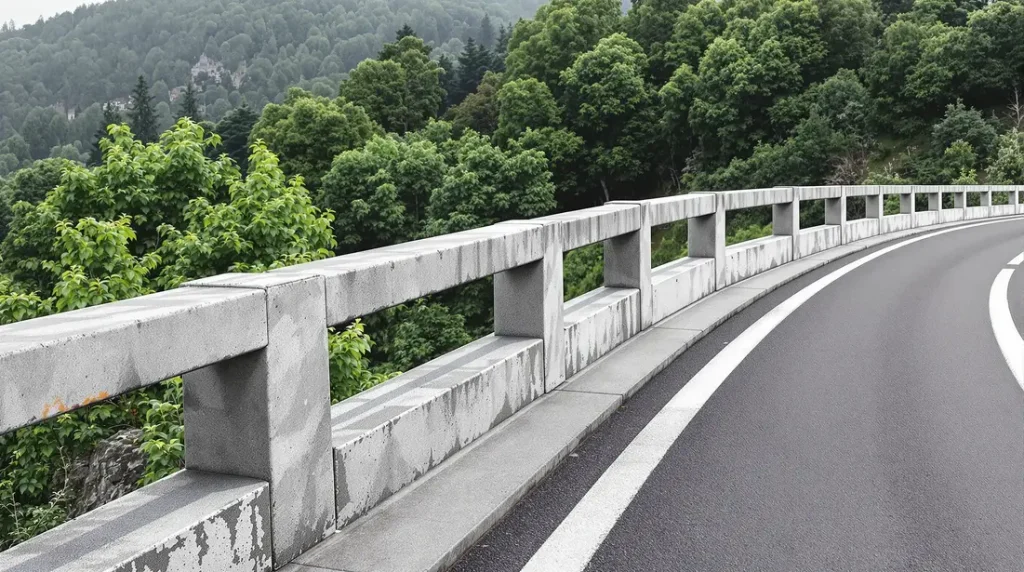
Concrete bridge rails have long been considered a reference solution when maximum control of system displacement under impact is required. Their high stiffness results in very low dynamic deflection and reduced working width. This makes them particularly suitable where the available working space is minimal, for example, on decks with very limited margins.
The significant mass of concrete also contributes to system stability, especially in the presence of heavy vehicles, ensuring good containment performance even for higher classes.
Alongside these strengths, some limitations must be considered. The high weight of concrete rails makes transport, handling and installation more complex and requires adequate load-bearing capacity from the bridge deck or curb. The lateral footprint is generally greater than that of other solutions, with the risk of reducing the usable lane width or limiting the space available for sidewalks, cycle paths and technological systems. Finally, once built, a concrete bridge parapet offers limited flexibility in case of design changes, additions or local replacement.

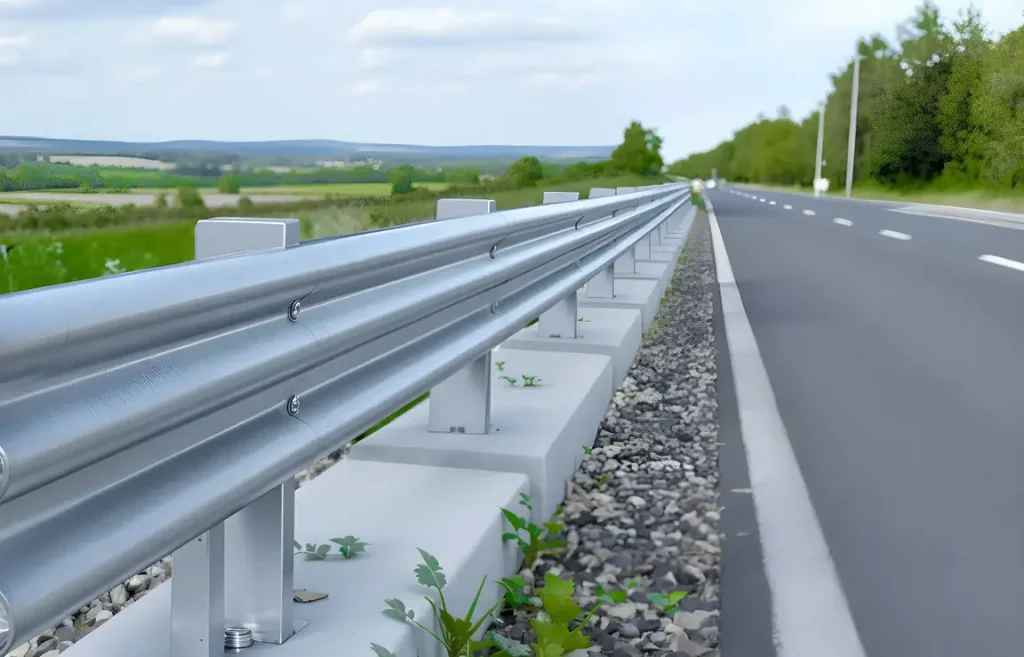
Steel bridge rails are the preferred solution when low weight, modularity and fast construction are key factors. The reduced weight of the components helps to limit the permanent load on the structure, simplifies handling and facilitates both initial installation and subsequent interventions. The compact lateral footprint is particularly advantageous in the presence of narrow sidewalks, small curbs or situations where the available road width must be maximised.
At the same time, however, these solutions are generally assembled entirely on site, with a large number of mechanical connections (bolts, joints, brackets) requiring particular care during installation. This increases the risk of incorrect or non-uniform installations, especially in the absence of adequate site supervision.
In some cases, purely metallic solutions may also be less integrated from an aesthetic standpoint, particularly in urban settings or in the presence of structures with a strong architectural character, making it necessary to pay specific attention to finishes and harmonisation with the surrounding environment.

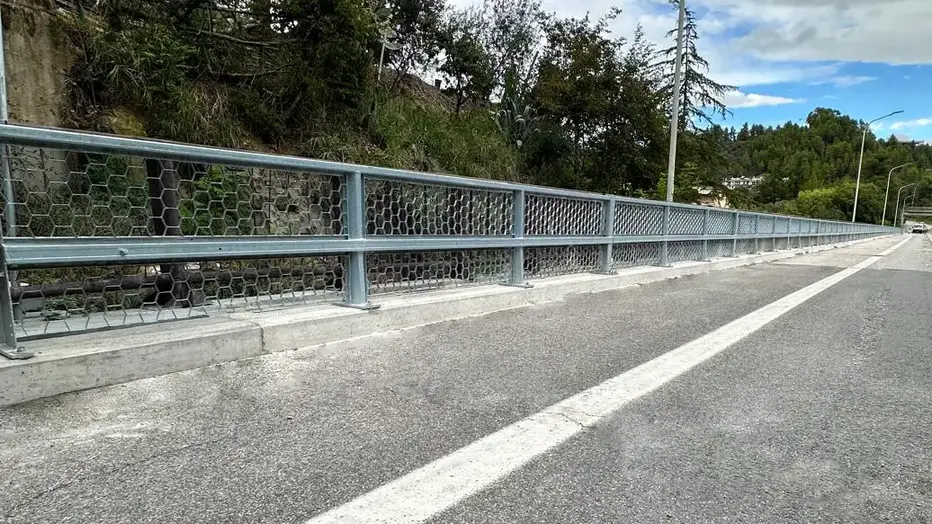
Andromeda introduces a hybrid concept combining a bridge rail and a median barrier installed on a curb, designed to combine the advantages of concrete and steel systems. The structure is made of steel, providing low weight, modularity and ease of installation. At the same time, the profile design and anchoring system deliver low dynamic deflection and reduced working widths comparable to those of concrete bridge parapets.
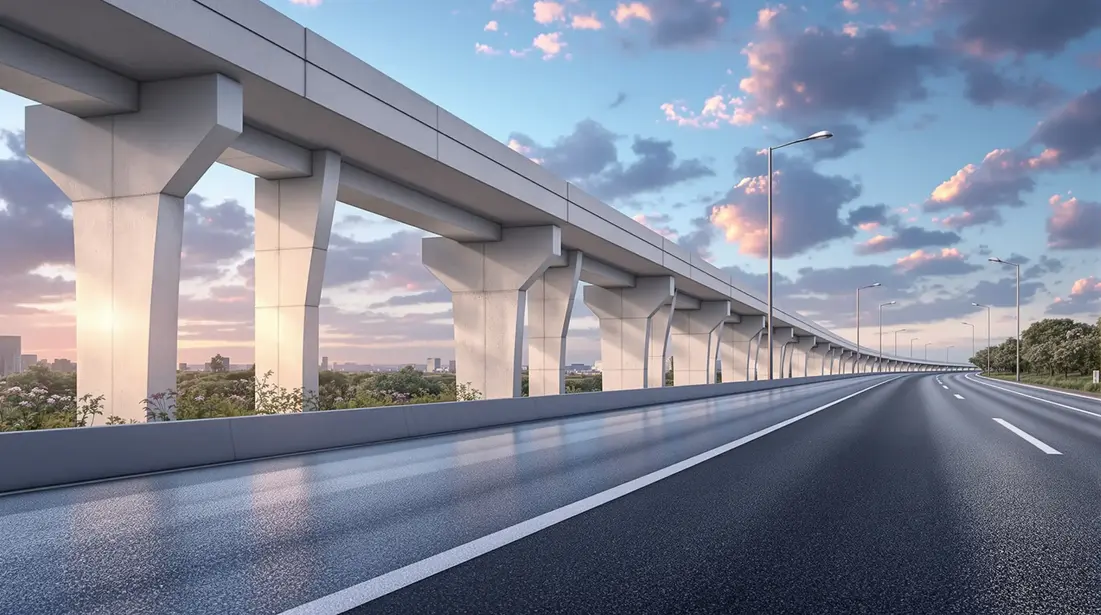
Thanks to its geometry and bifacial configuration, Andromeda can be used in several applications: as a bridge rail, as a median barrier on a curb, as a parapet barrier in urban contexts, and as a smart barrier prepared for the integration of sensors and lighting systems. The result is an extremely versatile solution, suitable both for motorway environments and for high-value urban and peri-urban contexts.

The range includes two main configurations: Andromeda H2 and Andromeda H4, both tested in accordance with EN 1317-2.
Andromeda H2 is characterised by a containment level H2 with working width class W1. Crash tests include impacts with a passenger car (TB11) and a bus (TB51). The working width is 0.6 m (class W1), while the dynamic deflection is 0.5 m. These values place the rail among high-efficiency solutions, particularly suitable for bridges and viaducts with limited transverse space.
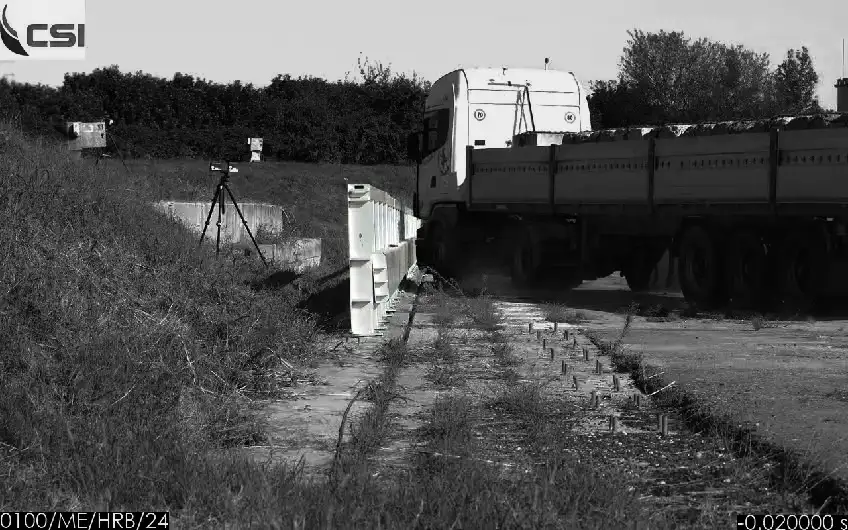
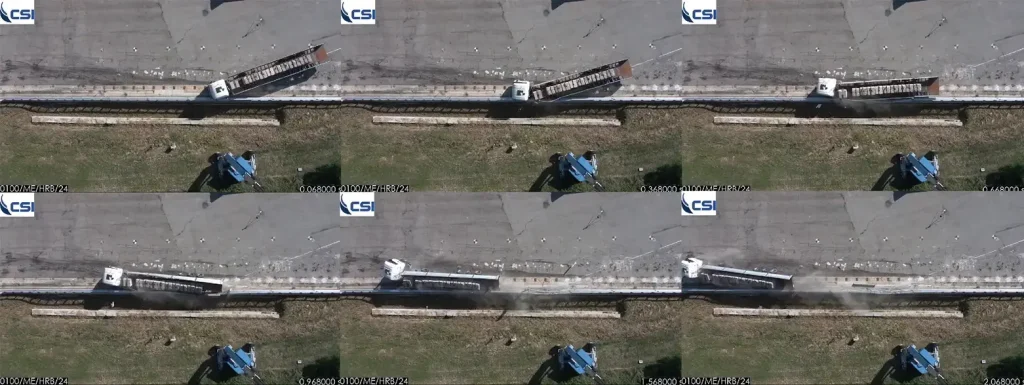
Andromeda H4 is designed for more demanding bridge and median applications. The rail reaches containment level H4b with working width class W2 and has been tested with a passenger car (TB11) and a heavy articulated truck (TB81).
In both configurations, crash tests were carried out on shorter test lengths than those generally used for concrete or steel barriers. This demonstrates the effectiveness of the system even on bridges and viaducts with limited development, where long stretches of continuous bridge rail cannot always be installed.

From a geometric standpoint, Andromeda H2 has a thickness of 17 centimetres and a height of 1 metre, which translates into a reduced lateral footprint compared with many traditional concrete bridge rails. The weight of less than 40 kg per metre is a further advantage for transport and handling, and helps to reduce the permanent load on the bridge structure.
The symmetrical, bifacial geometry allows the same profile to be used both as a bridge rail and as a median barrier, without the need for different solutions for the two traffic directions. This simplifies design, stock management and site operations.
Andromeda H2 is designed as a modular system, with pre-assembled elements approximately 6 metres in length. In the H2 version, each module requires a limited number of anchors (8 anchors per module), reducing the time and complexity of drilling and fixing operations on the curb.
The bridge rail can be installed on a prefabricated curb supplied together with the system, which has a compact cross-section of 40 centimetres in width and 30 centimetres in depth. In this case, anchoring is carried out using screws fixed into internally threaded inserts grouted into the concrete. The connection between modules is achieved by a single linking element (locking pin), which further simplifies installation.
Site experience indicates that 300 metres of rail can be installed in an 8-hour work shift, with a positive impact on work scheduling, the duration of traffic closures and indirect costs for the road operator.
In addition to performance aspects, Andromeda has been designed with particular attention to aesthetic value. The linear profile and steel finish make it suitable for high-visibility viaducts and infrastructures, as well as for urban and peri-urban contexts where the formal language of the structure plays an important role.
The bridge rail is also prepared for the integration of LED systems, both for lighting and for delineating the alignment. The structure can also accommodate sensors for impact detection, event geolocation and system condition monitoring. In this way, Andromeda can be transformed into a smart bridge parapet, capable of providing valuable data for infrastructure management and improving safety in conditions of poor visibility or adverse weather.

Thanks to its characteristics, Andromeda is ideally suited for motorway bridges and viaducts with a high percentage of heavy vehicles, where containment levels H2 or H4 are required and, at the same time, the working width must remain very low. In these contexts, the combination of limited deflection and low weight offers a concrete advantage over traditional concrete bridge rails.
The system is also particularly suitable as a median barrier on a curb in extra-urban environments, providing an alternative to concrete New Jersey barriers with benefits in terms of modularity, installation speed and reduced permanent loads on the deck. In urban and peri-urban areas, Andromeda contributes to the architectural quality of the structure and to users’ perception of safety, thanks to its clean lines and the possibility of integrating lighting and sensors.
Finally, the solution is practical in upgrading or replacing existing bridge parapets when an increase in containment level is required without significant changes to the structure of the bridge or viaduct. In such cases, the combination of high performance, low weight and compact footprint makes it possible to enhance existing infrastructures with a relatively non-invasive intervention.

It is a restraint system installed along the edge of bridges and viaducts to prevent vehicles from falling and to reduce crash severity. Its performance must ensure containment, limited lateral deformation and compatibility with the deck structure. In some regions, it is also referred to as a bridge parapet.
A guardrail is driven directly into the ground using posts; a bridge rail, instead, is anchored to a concrete curb using mechanical or chemical anchors. The two solutions differ in geometry, installation method and impact behaviour.
The containment level defines the amount of impact energy that the barrier can absorb during crash tests carried out in accordance with EN 1317. On bridges and viaducts, high containment levels, from H2 to H4b, are generally used due to the higher risk associated with vehicle fall.
Working width (W) represents the maximum lateral space a safety barrier occupies during impact. It is measured by comparing the position of the barrier before impact, on the traffic side, with the most advanced point reached by any part of it as it deforms dynamically during collision.
Dynamic deflection (D) represents the actual displacement of the bridge rail, net of its initial footprint. On bridges, where space is limited, these parameters are crucial for system selection.
The most common solutions are made of reinforced concrete or hot-dip galvanised steel. Concrete ensures minimal deformation; steel offers greater lightness and modularity. The choice depends on structural constraints, available space and site conditions.
Among the most relevant factors are: available road space, structural load-bearing capacity, required containment level, compatible working width, interference with systems and utilities, and minimum installation length. Aesthetic value and environmental impact of the device may also be considered.
Installation is carried out using anchors on a concrete curb, generally with studs and resins or screws on grouted inserts. Installation quality has a significant influence on system performance in the event of impact. Concrete bridge rails are supplied in pre-assembled modules, while steel bridge rails are almost always assembled on site, except for Andromeda, which is a pre-assembled steel system.
Yes. Each model is tested at a minimum effective length. Installation must respect these minimum values to reproduce the performance achieved in crash tests correctly.

SMA Road Safety designs and develops crash barriers that provides maximum containment, great performances and minimal size on the road.
ADDRESS
Headquarters
Guest Entrance:
Via G.B. Pirelli, Zona Industriale ASI Sud - 81025 Marcianise (Caserta) - Italy
Operative Site:
Via Dante Giacosa snc, Zona Industriale ASI Sud - 81025 Marcianise (Caserta) - Italy
Registered Office:
Via Eduardo De Filippo, 11 - 80013 Casalnuvo di Napoli (Napoli) - Italy