Introduction
Barrier gates are innovative solutions designed to enhance road safety and traffic management. These devices, installed in the median and connected to guardrails or New Jersey barriers, offer operational efficiency and rapid intervention in emergencies or maintenance needs. In this article, you will discover how barrier gates can improve safety and traffic management.
Barrier Gates features
According to part 4 of the European standard ENV1317, a barrier gate is a “removable section of barrier”, meaning a device that provides containment performance and allows operators to remove and reinstall it for emergency reasons quickly.
Barrier gates are designed to ensure high performance in terms of safety and operability.
They are installed for two main reasons:
Thus, these openable devices are placed in the median and must be opened quickly (within 20 minutes). Generally, emergency gates require an opening of at least 3.5 meters. The opening time is not specified but is typically around 5 minutes. In Italy, according to D.M. 6792 of November 5, 2001, median barriers must be interrupted every 2 km to allow lane changes.
Advantages of Barrier Gates
The benefits of installing barrier gates include:
- Improved Safety: The gate’s high containment capacity minimizes the risk of severe accidents. Additionally, its easy handling speeds up rescue interventions.
- Maximum Operability: Easy to remove and reinstall, ideal for managing emergencies and road maintenance.
- Perfect Suitability: Seamlessly integrates with steel and New Jersey barriers, ensuring the continuity of restraint devices.
Performance and Crash Tests
Barrier gates undergo rigorous crash tests to ensure their effectiveness. They are available in various containment classes, the most common being H2 and H4, tested according to ENV 1317-4 or EN 1317-2 standards.
At this point, clarification is necessary, but let’s proceed step by step.
Containment classes determine which specific vehicles should be used, as indicated below:
- Class H2: Impact test TB 11 with a 900 kg vehicle at 100 km/h and TB 51 with a 13-ton bus at 70 km/h.
- Class H4b: Impact test TB 11 with a 900 kg vehicle and TB 81 with a 38-ton truck.
Both impacts are performed with the vehicle at 20 degrees to the barrier’s axis.
The clarification concerns the impact point on the barrier. For example, when testing a barrier gate compliant with class H2, the standard establishes that a device with a length of 40 meters or less is a transition between two longitudinal barriers. Therefore, crash tests must be performed according to ENV 1317-4, considering the necessary length for its operation (Length of Need).
- TB 11 with a 900 kg vehicle at 100 km/h and impact at ¾ of the Length of Need: This test assesses the severity of the driver’s impact when transitioning from gate to longitudinal barrier, typically moving from a flexible to a more rigid element.
- TB 51 with a 13-ton bus at 70 km/h and impact at ½ of the Length of Need: This test shows the maximum deflection of the barrier gate with the heavy vehicle, as the device’s centre is the most flexible part of the system.
When the removable barrier section is longer than 40 meters, it should be considered a longitudinal barrier connected via a transition to other barriers. In this case, the impact points for TB11 and TB51 will be at 1/3 of the Length of Need. However, it must be highlighted that this requires demonstrating the behaviour of the transition element to the barrier.
This distinction is crucial when the designer must select the most appropriate device based on the installation length and the required performance.
Stargate: The Revolution in Road Safety
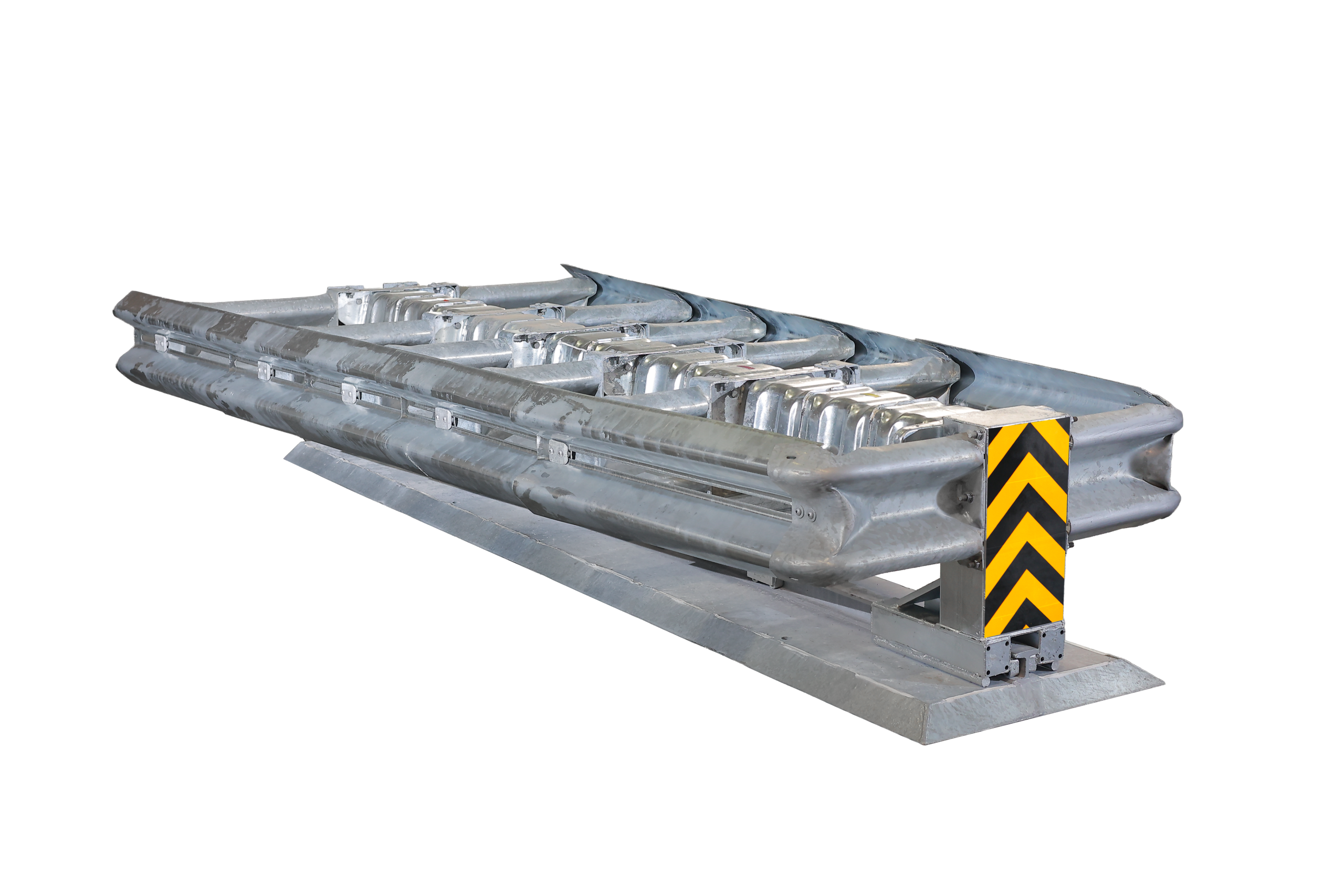
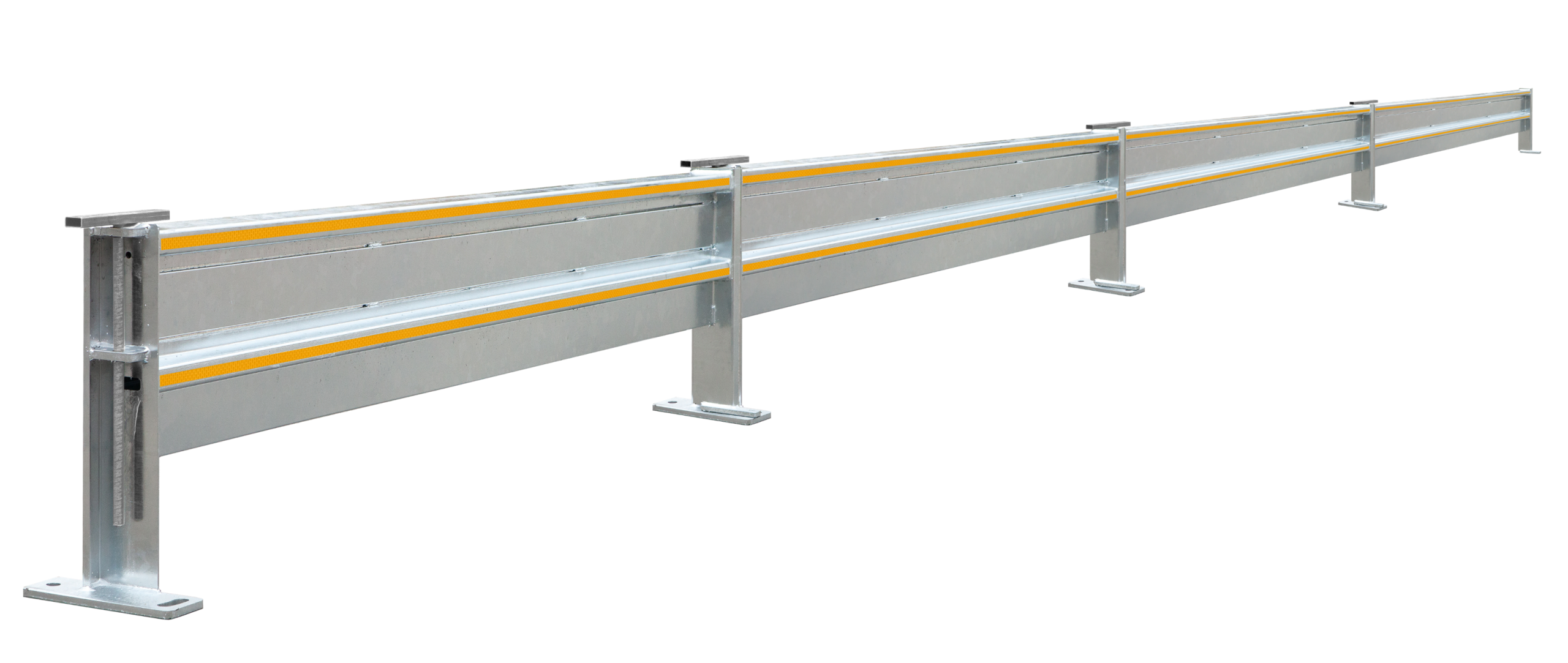
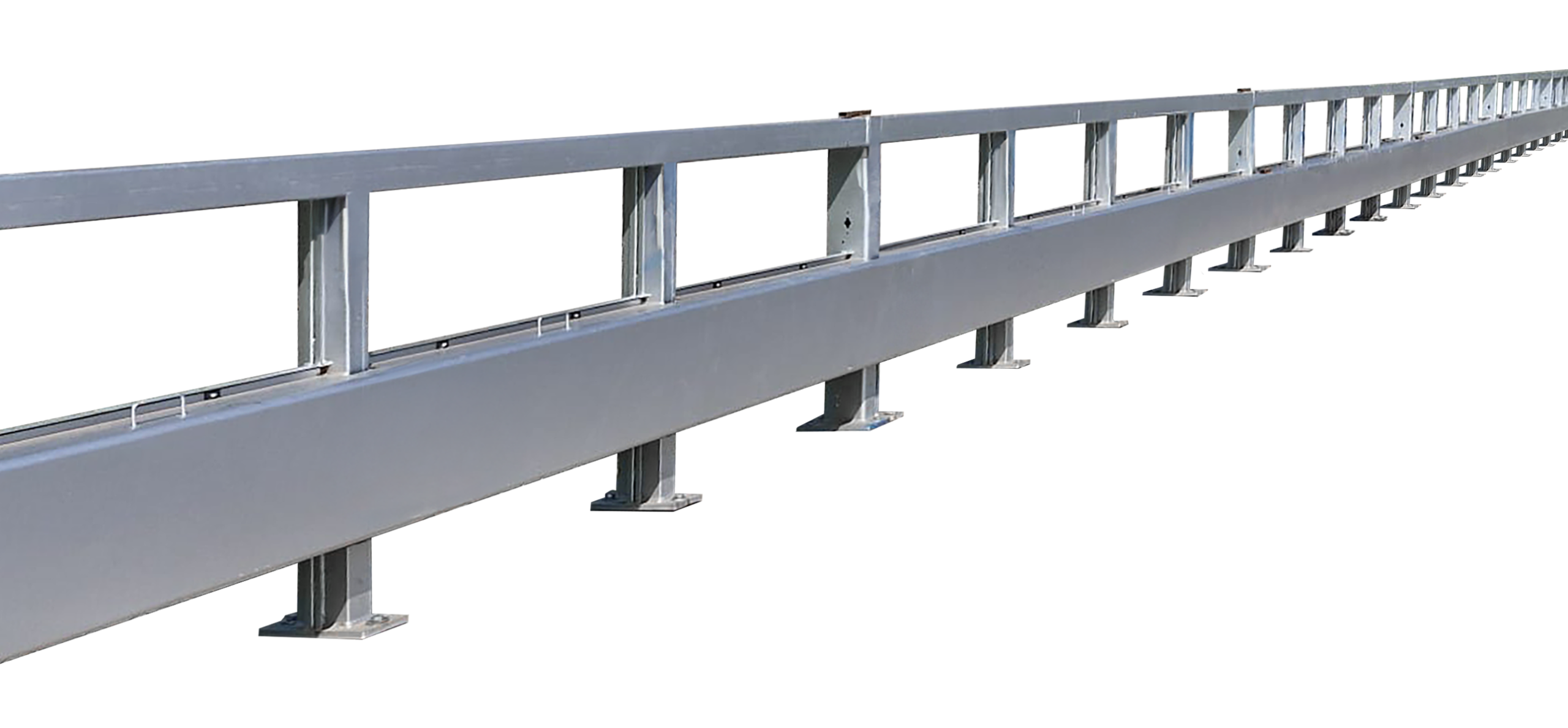
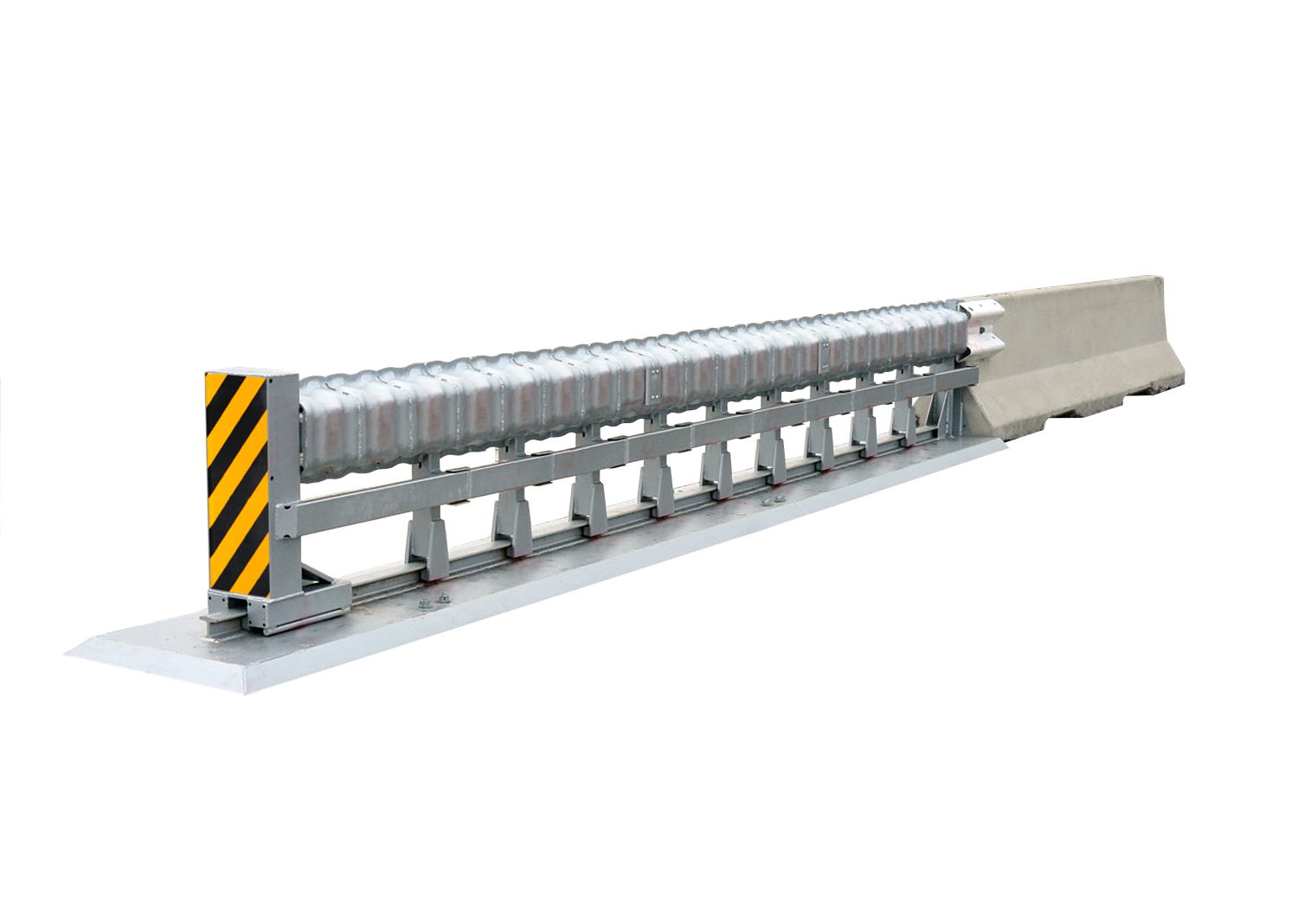
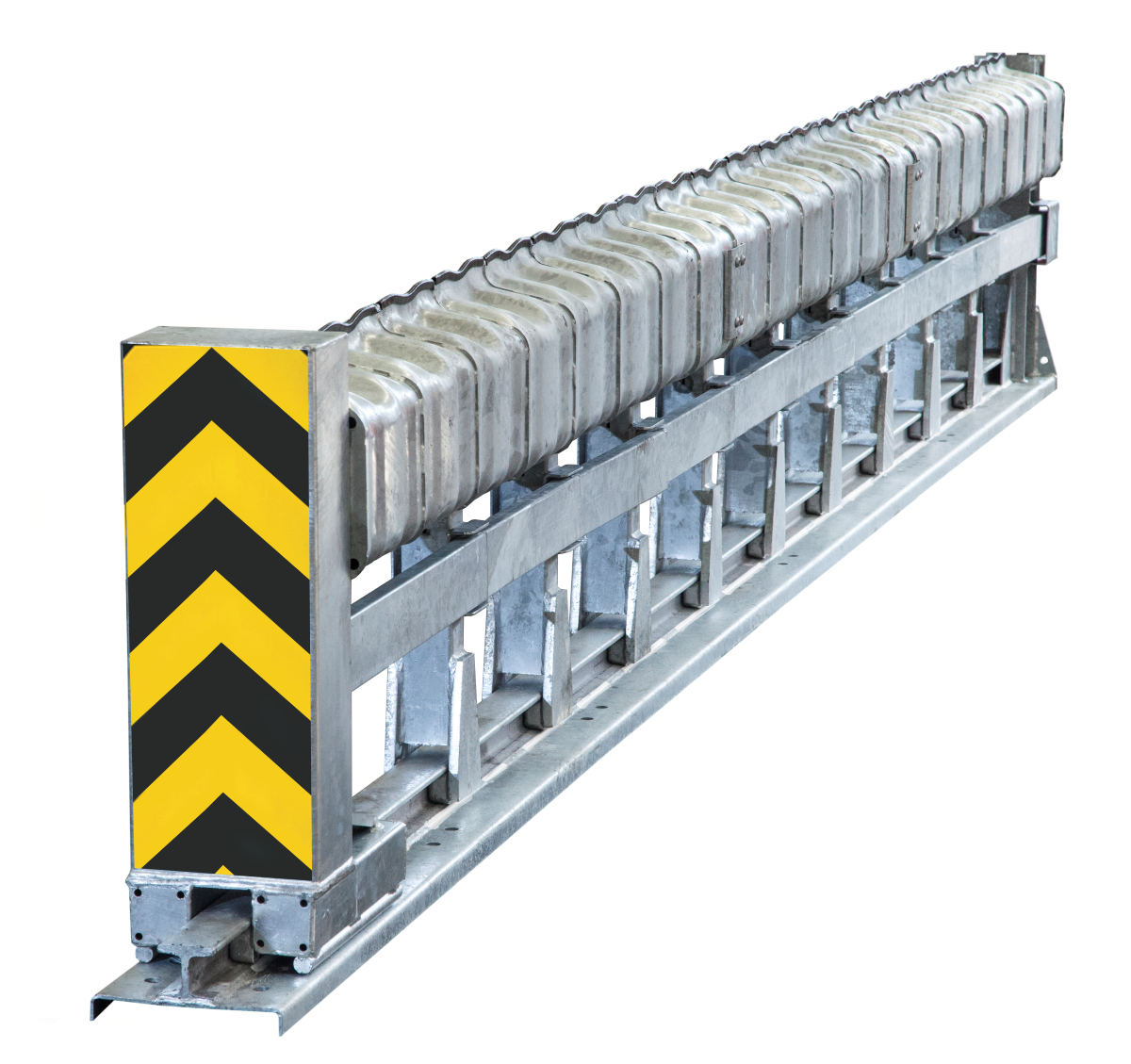
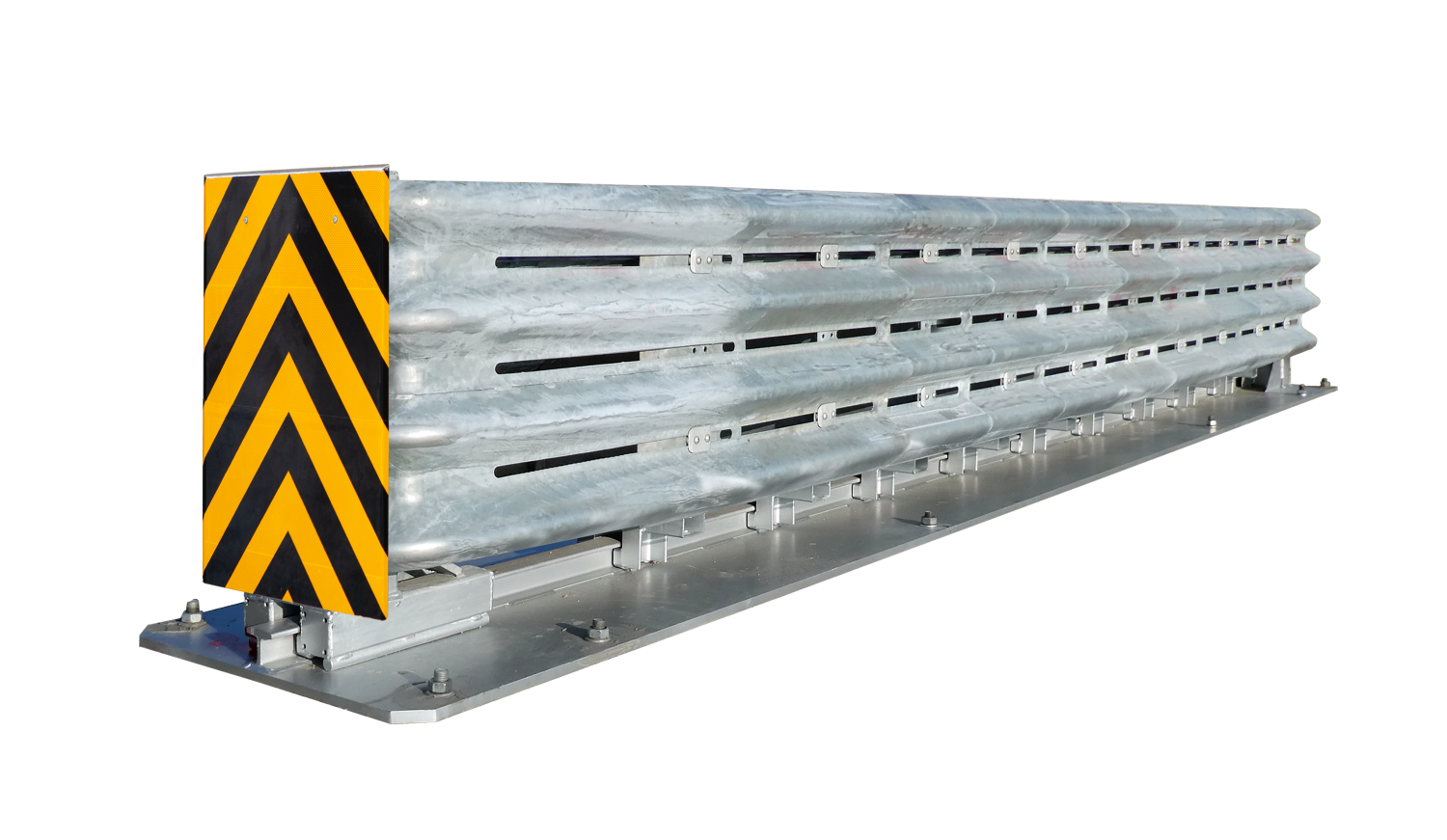
Stargate represents an innovation in road safety. Designed to offer maximum operability and rapid intervention, the Stargate barrier gate can be installed in the median and connected to guardrail or New Jersey barriers. This cutting-edge solution is ideal for efficiently and safely managing emergencies and road maintenance.


 October 30, 2024









 Email Us
 Call Us
 Send Inquiry